Blockchain and Web3: Beyond the Hype
Louis Cercle
Full-Stack Developer
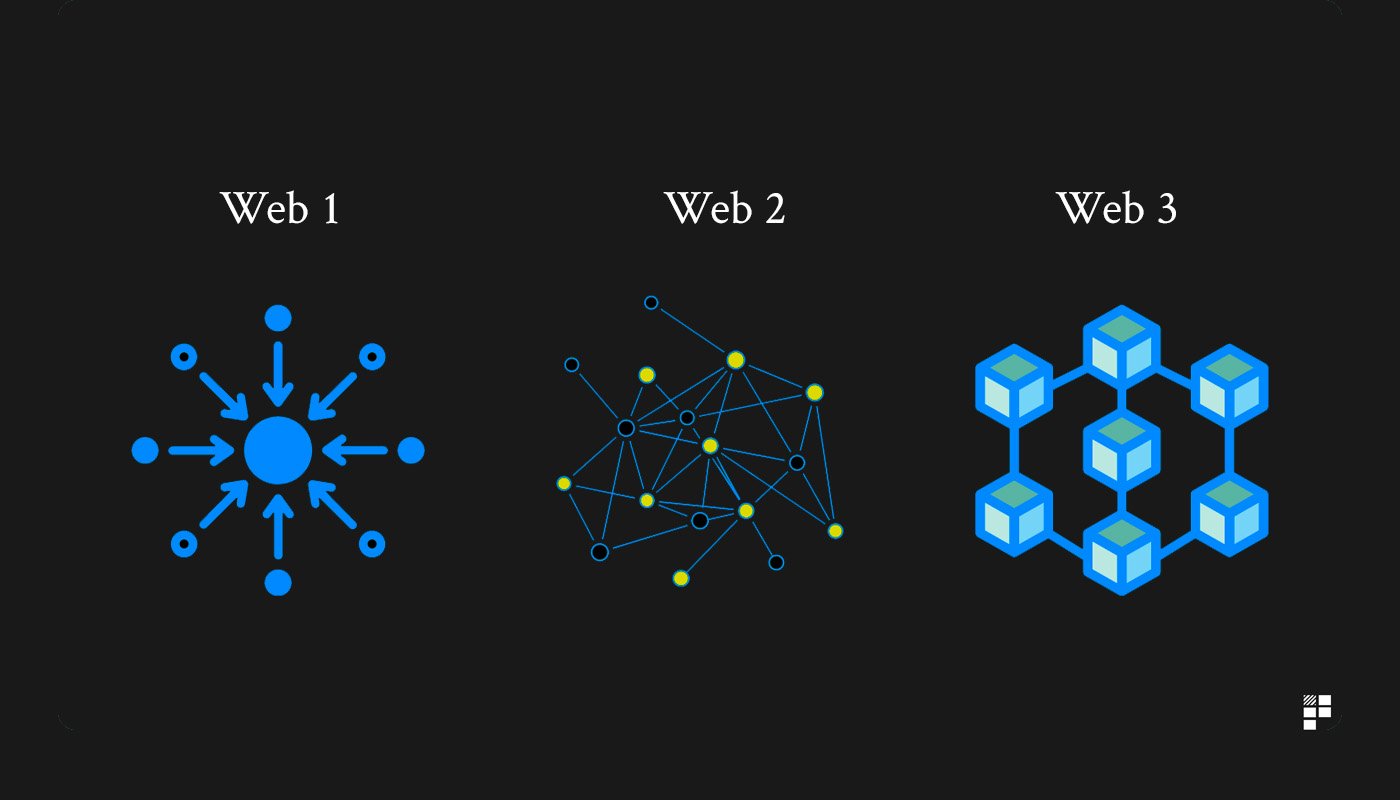
Between revolutionary promises and spectacular disappointments, blockchain and Web3 continue to divide opinions. Let's try an objective analysis of this technology, far from FUD and FOMO.
Understanding Blockchain
At its core, blockchain is a distributed and immutable ledger. Each block contains a hash of the previous block, creating an unfalsifiable chain. This structure guarantees data integrity without a central authority.
Legitimate Use Cases
Supply Chain Traceability
Walmart uses Hyperledger to trace food products. Tracing time went from 7 days to 2.2 seconds.
Decentralized Identity (DID)
Control your digital identity without depending on Google, Facebook, or a government. W3C standard in development.
Smart Contracts
Automation of contracts (insurance, escrow, royalties) with guaranteed execution without intermediary.
International Transfers
Reduced fees and delays for cross-border remittances, especially to developing countries.
Real Limitations
Beware of Exaggerated Claims
Many "Web3" projects would be better served by a classic PostgreSQL database. Ask yourself: do I really need decentralization?
- Scalability: Bitcoin = 7 tx/s, Ethereum = 15-30 tx/s, Visa = 65,000 tx/s
- Energy consumption: PoW remains problematic, PoS is an improvement
- Immutability = vulnerability: a bug in a smart contract is irreversible
- UX complexity: private key management, recovery phrases, gas fees
- Uncertain regulation: legal framework remains unclear in many countries
Conclusion
Web3 is neither the promised revolution nor a total scam. It's a set of powerful tools that, used wisely, can solve specific problems of trust and decentralization. As with any technology, the key is knowing when and why to use it.